
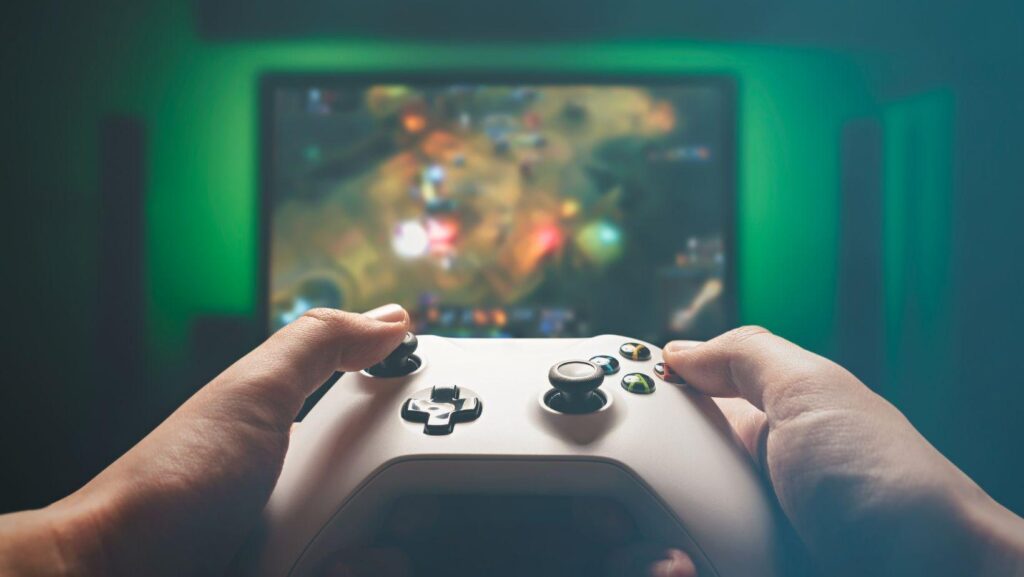
Video game communities are no longer limited to forums or comment sections. Modern players expect community experiences that are active, informative, personalized, and connected to the game itself. A strong community hub can bring together news, events, patch notes, player spotlights, tutorials, creator content, live updates, support resources, and social engagement in one central destination. For studios running live games, this kind of hub can become an important part of keeping players informed and engaged between play sessions.
A headless CMS helps studios create dynamic community hubs by making content easier to organize, update, and deliver across channels. Instead of managing community content through disconnected tools, studios can centralize announcements, event pages, guides, visual assets, and player-focused updates in one structured system. This content can then be delivered through APIs to websites, companion apps, launchers, in-game panels, and player portals. For game studios that want to build stronger long-term communities, headless CMS architecture provides a flexible foundation for creating community hubs that feel current, connected, and scalable.
Creating a Central Destination for Player Engagement
A community hub gives players one reliable place to find official information and connect with the wider game experience. Learn about it by exploring how a centralized community hub can help players access updates, events, patch notes, and other important information more easily. Without a clear destination, players may need to search across websites, social platforms, launchers, patch note pages, and support articles to understand what is happening. This can make the community feel scattered, especially for games with frequent events and live updates.
A headless CMS helps studios build a central community destination by organizing different content types in one place. News, event announcements, tutorials, player stories, developer updates, patch notes, reward information, and support links can all be managed as structured entries. The hub can then display the most relevant content dynamically based on time, platform, region, or player interest. This creates a more useful experience because players can quickly find what matters to them. A centralized community hub also helps studios communicate more clearly and reduce confusion across the player base.
Keeping Community Content Fresh and Dynamic
A strong community hub needs to feel alive. If the page stays the same for too long, players may stop checking it. Game communities respond well to fresh updates, event reminders, new guides, community highlights, and ongoing communication from the studio. However, keeping content fresh can become difficult if every update requires manual page changes or developer support.
A headless CMS makes dynamic community updates easier by allowing content teams to publish and schedule content from one central system. New articles, event cards, featured announcements, tutorials, and community spotlights can be added without rebuilding the entire hub. Content can also be automatically surfaced based on publishing date, category, event status, or priority. This helps the community hub stay current with less manual effort. Players are more likely to return when they know the hub regularly reflects what is happening in the game.
Connecting Live Events With Community Activity
Live events are often some of the most important moments for gaming communities. Players gather around limited-time challenges, seasonal updates, competitive activities, reward tracks, and shared goals. A community hub can make these events feel bigger by connecting event details with guides, leaderboards, player stories, screenshots, reminders, and follow-up content. Without a structured system, these elements may remain separated across different channels.
A headless CMS helps studios connect live event content with community activity. An event entry can include start and end dates, reward details, participation instructions, banners, tutorials, and related community posts. The hub can then display everything connected to that event in one experience. Players can learn how to join, see what rewards are available, read related updates, and follow the event story as it develops. This makes events feel more organized and more social. Strong event hubs can encourage participation and create a shared sense of momentum among players.
Highlighting Player Stories and Community Achievements
Players are more likely to feel connected to a game when the community hub reflects the people who play it. Player stories, community achievements, creative showcases, competitive milestones, fan creations, and event highlights can all help make the community feel visible and valued. These stories also give players reasons to return beyond gameplay updates alone.
A headless CMS can organize player stories as structured content that is easy to publish and reuse. Each story can include a title, description, image, player category, event connection, region, platform, and publishing date. This makes it easier for community teams to feature stories on the hub, in newsletters, in companion apps, or in-game community panels. Player-focused content helps the hub feel less like a static news page and more like a living community space. When players see others being recognized, they may feel more motivated to participate and contribute.
Managing News, Patch Notes, and Developer Updates
Community hubs often need to bring together several types of official communication. Players may visit the hub to read patch notes, developer updates, balance changes, feature explanations, event announcements, and roadmap-style messages. If these updates are published in separate locations without clear organization, players may miss important information or struggle to understand what changed.
A headless CMS allows studios to manage these updates as connected content types. Patch notes can include version numbers, categories, summaries, platform details, and related feature links. Developer updates can include context, visuals, and references to upcoming content. News posts can be tagged by topic, event, platform, or player segment. This structure makes the community hub easier to browse and search. Players can find official updates in one place, while studios can maintain a clear archive of communication over time. This strengthens transparency and helps players stay informed.
Supporting Personalized Community Experiences
Not every player visits a community hub for the same reason. A new player may want beginner guides and onboarding content, while an experienced player may want advanced event details or competitive updates. A returning player may need a summary of what changed, while a dedicated community member may care about player spotlights and upcoming activities. A static hub may struggle to serve all of these needs equally.
A headless CMS supports personalization by organizing content with metadata. Content can be tagged by player type, game mode, region, platform, event participation, progression stage, or interest category. When connected to player data systems, the hub can surface more relevant content for different audiences. New players can see starter guides, returning players can see catch-up updates, and active players can see current events and deeper community content. This makes the hub feel more useful because it adapts to the player’s relationship with the game.
Delivering Community Content Across Multiple Channels
A community hub does not need to exist only on a website. The same content can support in-game news panels, companion apps, launchers, email updates, player portals, and social landing pages. If each channel uses a separate content source, teams may duplicate work and create inconsistencies. A community update may be current on the website but outdated inside the game client.
A headless CMS solves this by making community content reusable across channels. The same announcement, guide, event description, or player story can be delivered through APIs to different platforms. A full article can appear on the hub, a short version can appear in-game, and a compact card can appear in a companion app. This creates a connected communication experience while respecting the format of each channel. Players receive consistent information wherever they engage, and teams avoid rewriting the same content repeatedly.
Improving Localization for Global Communities
Gaming communities are often global, which means community hubs need to support multiple languages and regional needs. Players in different markets should be able to access news, event information, tutorials, and developer updates in language that feels clear and natural. If localization is handled manually across separate pages, some markets may fall behind or show outdated content.
A headless CMS supports localized community hubs by connecting source content with translated and regional versions. Localization teams can work on specific fields, such as titles, summaries, event instructions, patch note sections, and calls to action. If the source content changes, teams can identify which localized versions need review. Regional content can also reflect local events, platform availability, or market-specific announcements. This makes the hub more inclusive and useful for global player communities. Players are more likely to trust and engage with a hub when it speaks clearly to their market.
Organizing Tutorials and Player Education
Community hubs are useful places for tutorials, guides, FAQs, and educational content. Players may want help understanding new features, game modes, progression systems, characters, items, or live event mechanics. If this content is scattered across support pages, old patch notes, and in-game tips, players may struggle to find the guidance they need.
A headless CMS helps studios organize educational content into searchable and reusable modules. Tutorials can be tagged by difficulty level, feature, game mode, event, platform, or player stage. A guide can connect to related patch notes, event pages, and support articles. This creates a stronger learning experience because players can move from a news update to a guide, or from an event page to practical instructions. Better education helps communities grow because players feel more confident participating in game systems and events.
Supporting Community Campaigns and Challenges
Community campaigns can create shared excitement around a game. These may include creative challenges, seasonal participation goals, competitive milestones, player showcases, anniversary events, or collaborative activities. A community hub can bring these campaigns together by showing rules, timelines, submissions, updates, rewards, and featured participants. Without structured content, campaign management can become difficult and repetitive.
A headless CMS helps studios build campaign pages from reusable content blocks. Campaign entries can include a theme, description, schedule, participation instructions, visual assets, reward information, related announcements, and follow-up posts. The hub can dynamically display active campaigns and archive completed ones. This gives community teams more control and makes campaigns easier to update. Players benefit from clear instructions and a visible place to follow progress. Strong campaign organization helps turn community activity into a more memorable and shared experience.
Making Community Hubs Easier to Search and Navigate
As community hubs grow, navigation becomes increasingly important. A hub may contain years of patch notes, event updates, guides, player stories, tutorials, and announcements. If content is not structured clearly, players may struggle to find what they need. A strong hub should make it easy to browse by topic, event, game mode, date, platform, or content type.
A headless CMS supports better navigation through metadata and structured relationships. Content can be tagged by category, platform, language, event, feature, player segment, or campaign. These tags can power filters, search results, related content sections, and archive pages. A player reading about a new event can easily find related guides and reward details. Someone looking for past updates can filter by patch category or date. Better navigation makes the hub more useful and encourages players to explore more of the community content.
Conclusion
Creating dynamic community hubs for video games with a headless CMS gives studios a flexible and scalable way to support player engagement beyond the game client. A strong community hub can bring together news, live events, patch notes, tutorials, player stories, campaigns, support resources, and localized updates in one connected experience. Without a structured content system, this content can become scattered, outdated, or inconsistent across channels.
A headless CMS helps studios centralize community content, deliver updates across platforms, support personalization, improve localization, connect events with player stories, and prepare for future digital experiences. Internal teams benefit from faster workflows, better collaboration, and stronger content control. Players benefit from clearer communication, easier navigation, and a more active sense of community. As games continue to grow as live, social, and multi-platform experiences, dynamic community hubs will become an important part of building long-term player trust and engagement.
More Stories
Digital Transparency: How Live Video is Solving the Internet’s Trust Issue
Best Price Optimization Software for Car Parts Retailers in 2026
Before You Buy a Two in One Electric Toothbrush