
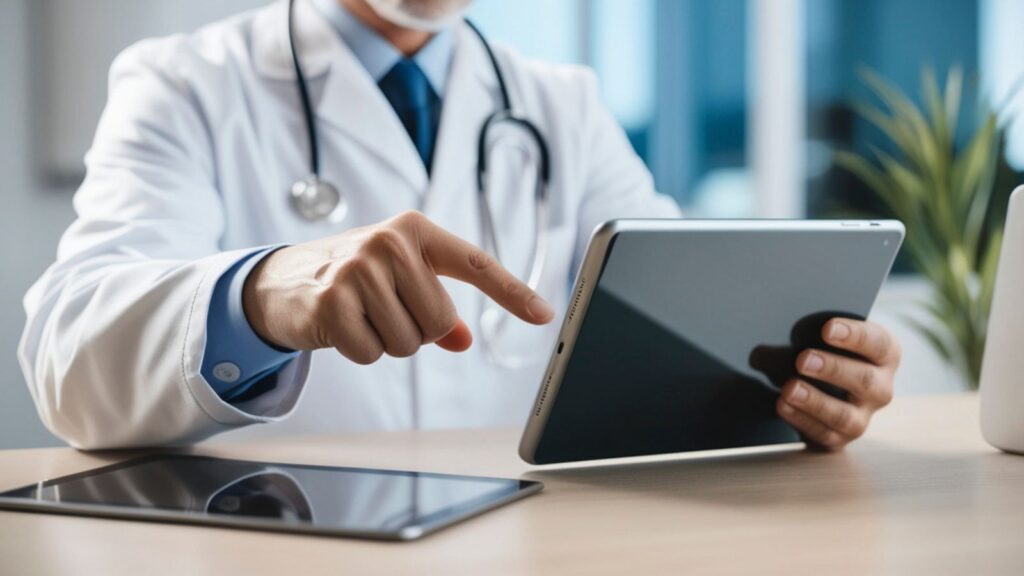
In an era of rapid technological advancement, healthcare platforms are evolving to meet the demands of a connected patient care model. Canvas Medical exemplifies this shift by leveraging modern digital tools and data-driven solutions to transform how healthcare providers engage with patients, ultimately enhancing both patient experience and clinical outcomes. This article explores the evolution of healthcare platforms, their key features, data security considerations, and the future trends shaping connected, technology-enabled patient care.
The Evolution of Healthcare Platforms
Challenges in Traditional Patient Care
Traditionally, healthcare delivery has been characterized by fragmented systems and lack of integrated communication. Patients often faced hurdles such as long wait times, limited access to their health data, and a lack of personalized care. These challenges not only hindered patient engagement but also complicated care coordination among healthcare providers.
Emergence of Connected Healthcare
In response to these challenges, the emergence of connected healthcare platforms marks a significant shift in the industry. These platforms help seamless communication between patients and providers, promote access to health information, and enable more well-informed choice-making. By leveraging technology, connected healthcare addresses the limitations of traditional models, paving the way for a more efficient and patient-centered approach.
Key Features of Modern Healthcare Platforms
Patient Engagement and Empowerment Tools
Modern healthcare platforms prioritize patient engagement with tools that empower individuals to take charge of their healthcare journey. These tools include mobile applications that provide easy access to personal health records, appointment scheduling, and medication reminders. By engaging patients through user-friendly interfaces, healthcare providers can improve health literacy and encourage proactive health management.
Integrated Communication Solutions
Integrated communication solutions are vital in fostering collaboration among healthcare teams. Secure messaging, video conferencing, and real-time updates allow for timely discussions between specialists and primary care providers. This integration not only streamlines the workflow but also enhances the continuity of care, ensuring that patients receive cohesive treatment plans.
Data Security and Privacy Considerations
Regulatory Standards and Compliance
Data security and privacy are critical in maintaining trust in modern healthcare platforms. Adhering to regulatory standards such as the Health Insurance Portability and Accountability Act (HIPAA) is essential for protecting patient information. Compliance with these regulations ensures that healthcare platforms carry out necessary security measures, safeguarding sensitive health data from breaches and unauthorized access.
Finest Practices for Data Security
To bolster data security, healthcare platforms must adopt the most promising practices including encryption, robust user authentication, and regular security audits. Also, continuous staff training on data protection protocols is crucial in minimizing the risk of human error. By implementing these measures, healthcare organizations can enhance their security posture and protect patient information effectively.
Future Trends in Connected Patient Care
Artificial Intelligence in Patient Care
The integration of artificial intelligence (AI) in healthcare platforms represents one of the most promising trends for the future. AI technology can analyze vast amounts of data, providing insights that drive personalized treatment plans and predictive analytics. This capability enhances clinical decision-making and improves patient outcomes by anticipating potential health issues before they arise.
Telehealth and Remote Monitoring Innovations
Telehealth continues to revolutionize patient care, particularly in the wake of the COVID-19 pandemic. Innovations in telehealth platforms enable healthcare providers to conduct virtual consultations and monitor patients remotely. Remote monitoring devices, such as wearable health trackers, allow for real-time health data collection, enabling proactive intervention when necessary. Together, these innovations create a more flexible and responsive healthcare environment.
Conclusion
The shift towards modern healthcare platforms for connected patient care signifies a transformative moment in the healthcare industry. As technology continues to evolve, these platforms will offer enhanced patient engagement, integrated communication, and robust data security measures. By embracing these changes, healthcare providers can ensure that patients receive high-quality care that is both accessible and responsive to their needs. The future of connected patient care is not just about technology: it’s about empowering patients and improving outcomes through collaborative partnerships.
More Stories
How the CloudySocial Team Organizes Tech Help Content
CsTechHelp CloudySocial Recap: Highlights, Lessons, And What’s Next (2026)
CloudySocial CSHardware Promo Code: How To Save On Gaming Gear In 2026