

Modern businesses face a recurring challenge: how to preserve quality, improve efficiency, and reduce operational risks while keeping costs under control. Temperature-sensitive products, sanitation requirements, and logistics disruptions can quickly turn into expensive problems if not handled properly. Dry ice—solid carbon dioxide—has emerged as a practical solution across multiple industries because it is powerful, versatile, and adaptable to real-world business needs.
This article explores the top 10 practical uses for dry ice in business, following a clear problem-and-solution structure. Each use case highlights a common operational issue and explains how dry ice provides a reliable and effective response.
1. Cold Chain Protection for Perishable Goods
Businesses that transport food, pharmaceuticals, or biological materials face strict temperature requirements. Even minor fluctuations during transit can cause spoilage, compliance violations, or financial losses.
It maintains ultra-low temperatures without electricity, making it ideal for shipping perishable goods. Because it sublimates directly from solid to gas, it leaves no liquid residue that could damage packaging. This makes it especially valuable for long-distance transport, emergency shipments, and situations where refrigeration equipment is unavailable or unreliable.
2. Pharmaceutical and Medical Storage
Vaccines, lab samples, and medical compounds often require stable sub-zero conditions. Mechanical freezers can fail during power outages or equipment malfunctions, putting sensitive materials at risk.
Dry ice provides a dependable backup or primary cooling method for medical storage. Hospitals, laboratories, and research facilities use it to preserve samples during transfers, equipment maintenance, or emergency situations. Its consistency helps protect product integrity and supports regulatory compliance.
3. Food Processing and Production Efficiency
During food processing, temperature rises can compromise texture, freshness, and safety. Traditional cooling methods may slow down production or fail to maintain uniform temperatures.
It is widely used to rapidly cool ingredients during mixing, grinding, or packaging. By controlling heat at critical stages, businesses can maintain product quality while improving processing speed. This approach also reduces the risk of bacterial growth, which is essential in food safety management.
4. Industrial Cleaning Without Downtime
Industrial equipment accumulates residue, grease, and contaminants that require regular cleaning. Conventional methods often involve water, chemicals, or abrasive materials that force production shutdowns.
This product can be used for non-abrasive cleaning methods such as dry ice blasting, which removes buildup without damaging surfaces or leaving secondary waste. This allows machinery to be cleaned in place, minimizing downtime and reducing maintenance costs while improving workplace safety.
5. Mold Remediation and Sanitation
Mold growth in commercial buildings, warehouses, or production facilities poses health risks and regulatory challenges. Traditional remediation methods may involve harsh chemicals and prolonged closures.
It is effective in mold remediation because its extreme cold can neutralize spores without introducing moisture. By freezing contaminants on contact, dry ice-based cleaning methods help sanitize surfaces efficiently while limiting disruption to operations.
6. Event Catering and Food Presentation
Catering businesses and hospitality venues constantly look for ways to preserve food quality while also creating memorable experiences for clients.
Ice serves both functional and aesthetic purposes. It keeps food cold during transport and storage while also enhancing presentation through dramatic fog effects. This dual benefit helps businesses maintain safety standards while elevating customer experience at events and exhibitions.
7. Pest Control in Commercial Settings
Rodents and insects can disrupt operations, damage inventory, and create health concerns. Chemical pest control solutions may pose environmental or safety risks.
It’s common to beused as a non-toxic pest control method by placing it in burrows or confined areas. As it sublimates, carbon dioxide displaces oxygen, humanely eliminating pests without chemical residues. This approach is especially useful in agricultural and storage environments.
8. Equipment Shrink Fitting and Assembly
Installing tight-fitting mechanical components often requires force, heat, or complex tools, increasing the risk of damage or misalignment.
Dry ice temporarily shrinks metal components through extreme cooling, allowing for easier assembly. Once the material returns to normal temperature, it expands and locks into place securely. This method improves precision and reduces mechanical stress during installation.
9. Emergency Cooling During Power Failures
Unexpected power outages can halt operations and threaten temperature-sensitive inventory. Backup generators may not always provide sufficient cooling capacity.
The element acts as a fast, portable cooling solution during emergencies. Businesses can deploy it quickly to stabilize temperatures in freezers, storage rooms, or transport containers, buying valuable time until systems are restored.
10. Product Testing and Quality Assurance
Many products must be tested under extreme conditions to meet industry standards. Creating controlled low-temperature environments can be costly and time-consuming.
Dry ice allows businesses to simulate cold environments efficiently for testing purposes. From packaging durability to material performance, companies can assess product behavior under stress without investing in permanent climate-controlled facilities.
Why Dry Ice Fits Modern Business Needs
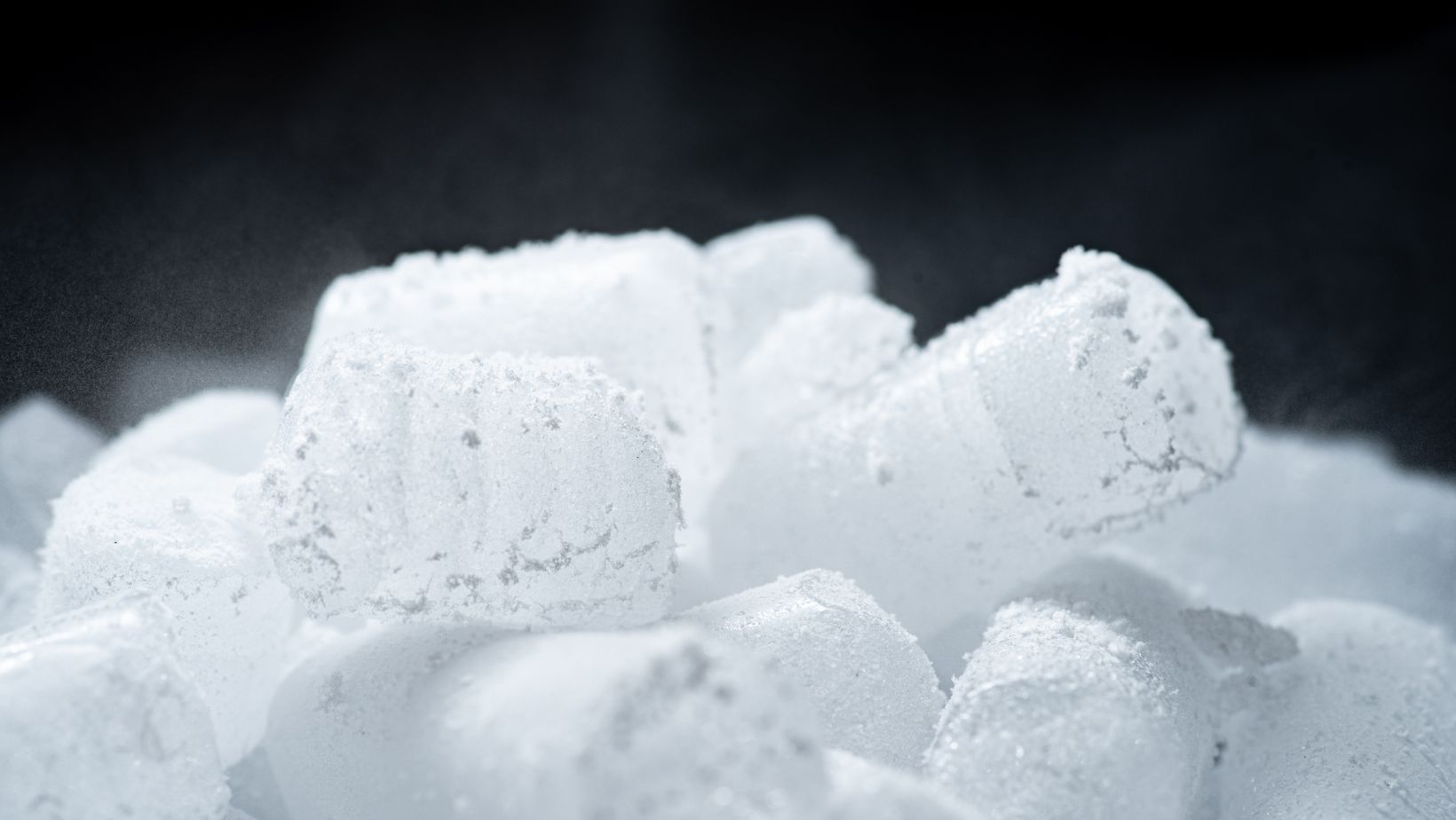
Dry ice stands out because it addresses multiple operational challenges with a single material. It requires no electricity, adapts to various industries, and supports both efficiency and safety goals. Its ability to cool, clean, preserve, and protect makes it a practical asset rather than a niche solution.
Beyond functionality, dry ice also aligns with modern sustainability goals. Since it sublimates into carbon dioxide gas without creating waste, businesses can integrate it into operations while minimizing environmental impact when handled responsibly.
Safety and Handling Considerations
While dry ice offers many advantages, safe handling is essential. Direct contact can cause burns, and improper storage may lead to pressure buildup. Businesses should ensure proper ventilation, protective equipment, and staff training when working with dry ice to maximize benefits while minimizing risks.
Final Thoughts
Dry ice solves a wide range of business problems, from preserving sensitive products to improving maintenance efficiency. Its versatility allows companies to adapt quickly to operational challenges without investing in complex infrastructure. By understanding practical use cases and implementing proper safety measures, businesses can unlock the full potential of dry ice as a reliable and cost-effective solution.
FAQs about Dry Ice
What industries benefit the most from dry ice?
Industries such as food processing, pharmaceuticals, logistics, manufacturing, and hospitality benefit significantly due to their need for reliable cooling, sanitation, and efficiency improvements.
Is dry ice safe for regular business use?
Yes, when handled correctly. Proper training, ventilation, and protective equipment ensure safe usage across various business applications.
Can dry ice replace traditional refrigeration?
Dry ice is best used as a supplement or temporary solution rather than a full replacement for long-term refrigeration systems.
How long does dry ice last?
Its lifespan depends on storage conditions and quantity. In insulated containers, it can last several days, gradually sublimating over time.
Does dry ice leave residue or waste?
No. Dry ice sublimates directly into gas, leaving no liquid or solid residue behind.
More Stories
CloudySocial, Adult Entertainment, and Virtual Influencers: Navigating Vtubers, Safety, and Monetization in 2026
How To Sell The Samsung FluxPhone On CloudySocial: A Practical 2026 Shop Owner’s Guide
SEO For Haptics And Influencer Metrics: A Practical Playbook For ClowdSoAshil-Era Campaigns (2026)